 简体中文
 English

Can an Inverter Run a Refrigerator? Starting Power and Runtime
An inverter converts the direct current from a battery or solar array into alternating current; whether an intermittent load such as a refrigerator can run on it depends on compressor starting power, running power and the sustained current the battery can deliver. Typical settings include RVs, off-grid cabins and temporary vehicle power.
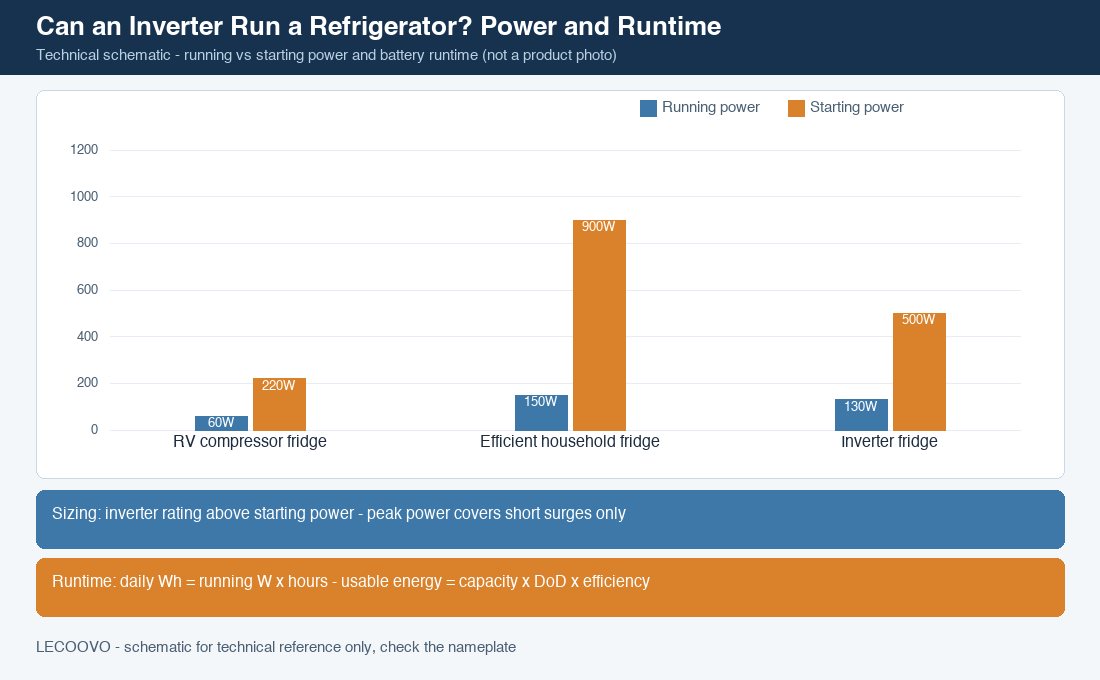
Conclusion: Yes, If Starting Power and Battery Capacity Fit
A pure sine wave inverter can run a refrigerator, provided its rated power exceeds the starting power of the appliance and the battery can cover the compressor's intermittent duty cycle. A refrigerator is not a continuous full-load device: the compressor stops once the set temperature is reached and restarts after the cabinet warms up, so the supply must handle both short surges and long periods of modest current draw.
Start from the nameplate current and starting current, then convert them into power figures. Rated power determines whether the inverter can keep supplying the appliance, while starting power determines whether the compressor can turn at all. Sizing only for running power often keeps the fridge cool but fails to start it, which shows up as repeated clicking without the compressor spinning.
Why Refrigerator Starting Power Exceeds Running Power
At startup the compressor has to overcome the refrigerant pressure difference and rotor inertia, so starting current is several times the running current and may last from tens of milliseconds to a few seconds. A fridge with a PTC starter produces a noticeable surge, while a variable-speed drive ramps current up more gently and needs less starting power.
The peak power figure on an inverter is intended for exactly these short surges. Peak output can only be sustained for a brief interval and should not be treated as continuous capability. When refrigerator starting power sits near the peak limit, frequent starts accumulate heat and may trigger overload or thermal protection. Placing rated power above starting power leaves a wider margin.
Power Figures for Three Refrigerator Types
| Refrigerator type | Typical running power | Typical starting power | Suggested inverter rating |
|---|---|---|---|
| RV compressor fridge | 40W-80W | 150W-300W | 500W or more |
| Efficient household fridge | 100W-200W | 600W-1200W | 1500W or more |
| Inverter fridge | 80W-180W | 300W-700W | 1000W or more |
The figures above reflect common published ranges for household appliances and serve only for a first estimate; real selection must follow the refrigerator nameplate and compressor data sheet. For the same cooling capacity, a variable-speed compressor produces a smaller starting surge and reduces the demand on inverter peak power.
Waveform also affects compressor behaviour. A modified sine wave inverter costs less, but a compressor may run noisier and hotter on it, which makes long-term limits harder to judge. Where budget allows, a pure sine wave inverter is the more stable choice because its output resembles mains power and suits motor-driven loads better.
How to Estimate Battery Capacity and Runtime
Runtime follows from daily energy use and usable battery capacity. Multiply running power by the actual daily running hours to get daily consumption, then divide by inverter efficiency to estimate the energy the battery side must supply. Running hours depend on ambient temperature, door openings and the set point, and are noticeably higher in summer than in winter.
Usable battery energy equals nominal capacity times permitted depth of discharge times inverter efficiency. A 12V 100Ah lead-acid battery stores 1200Wh nominally; at 50% depth of discharge it offers roughly 600Wh, and after conversion losses around 540Wh reaches the refrigerator. If the fridge uses 500Wh per day, that battery supports about one day before solar or alternator charging is needed.
Lithium iron phosphate batteries allow deeper discharge and last through more cycles, so they deliver more usable energy at the same nominal capacity. Include inverter standby loss in the calculation, because it becomes a meaningful share during long periods of light load.
Other Links in the Supply Chain to Check
Long-term refrigerator operation also depends on charging and distribution. During daylight an MPPT solar charge controller moves energy from the array into the battery, and its charging capacity should cover fridge consumption plus inverter losses; otherwise the battery gradually runs down. In regions with frequent overcast weather, both array size and battery capacity need to be increased.
In an RV, a DC-DC charger uses the alternator to top up the battery while driving, complementing solar input. If the vehicle stays parked with weak sunlight, estimate the total charging available before deciding how long the fridge can run. An inverter-charger combines charging and inversion in one cabinet, which simplifies wiring in tight RV or off-grid spaces; confirm that its continuous and peak ratings both cover refrigerator startup.
Frequently Asked Questions
Why does the compressor fail to start repeatedly after connection?
The common causes are starting power above the inverter peak limit, or a battery voltage drop during the surge. Check whether the inverter reports overload or undervoltage, then measure starting current with a clamp meter. Undersized battery cable or a loose connection magnifies voltage drop at startup and can produce the same symptom.
Why is runtime much shorter in summer?
Higher ambient temperature raises the compressor duty cycle, so the fridge runs more hours and consumes more energy each day. Heat also reduces usable battery capacity, and the two effects combine to shorten runtime. Raising the set point slightly, limiting door openings and keeping the rear vents clear all reduce daily consumption.
What fuse size does an RV fridge need?
Select the fuse for the inverter DC-side maximum current with some margin, and make sure the cable gauge carries that current. Divide power by DC voltage and by inverter efficiency: a 300W load on a 12V system draws roughly 27A, which calls for matching cable and fuse sizes as stated in the equipment manual.
These estimates suit most RV and off-grid setups; the final configuration depends on the refrigerator nameplate, battery type and local sunlight. LECOOVO runs a 4000 m2 production base in Zhongshan, covers 300W-6000W, holds CE/UL/SAA/CCC certifications and supports OEM/ODM. If you need a custom inverter specification or a matched power solution, please contact us to discuss the technical requirements.
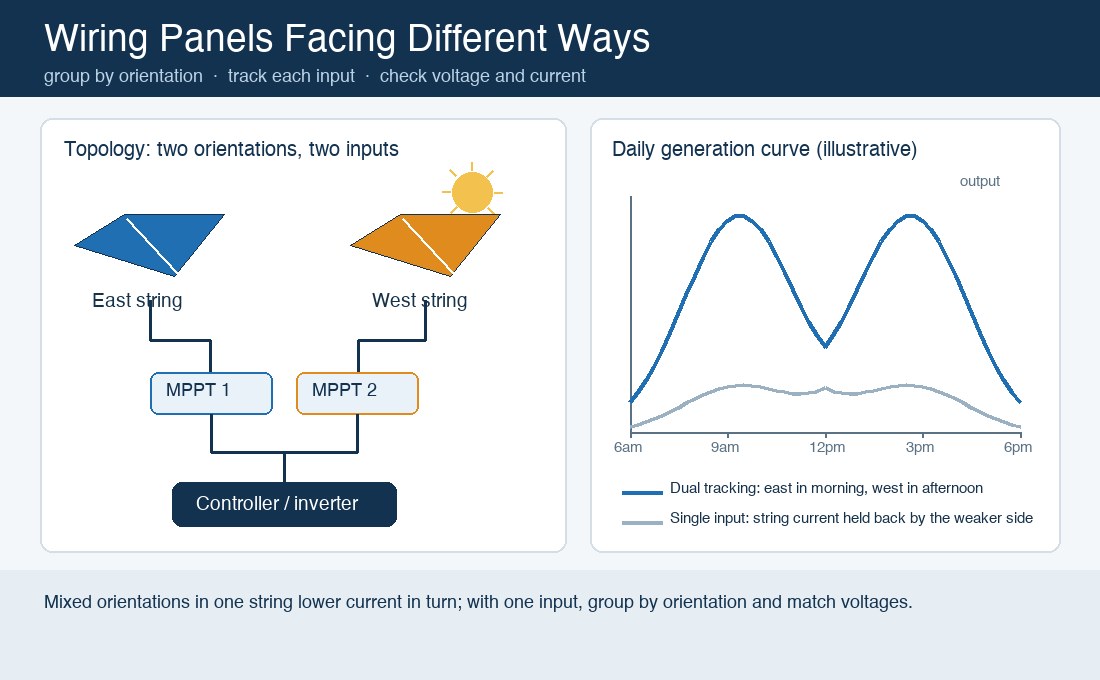 How to Wire Solar Panels Facing Different Directions
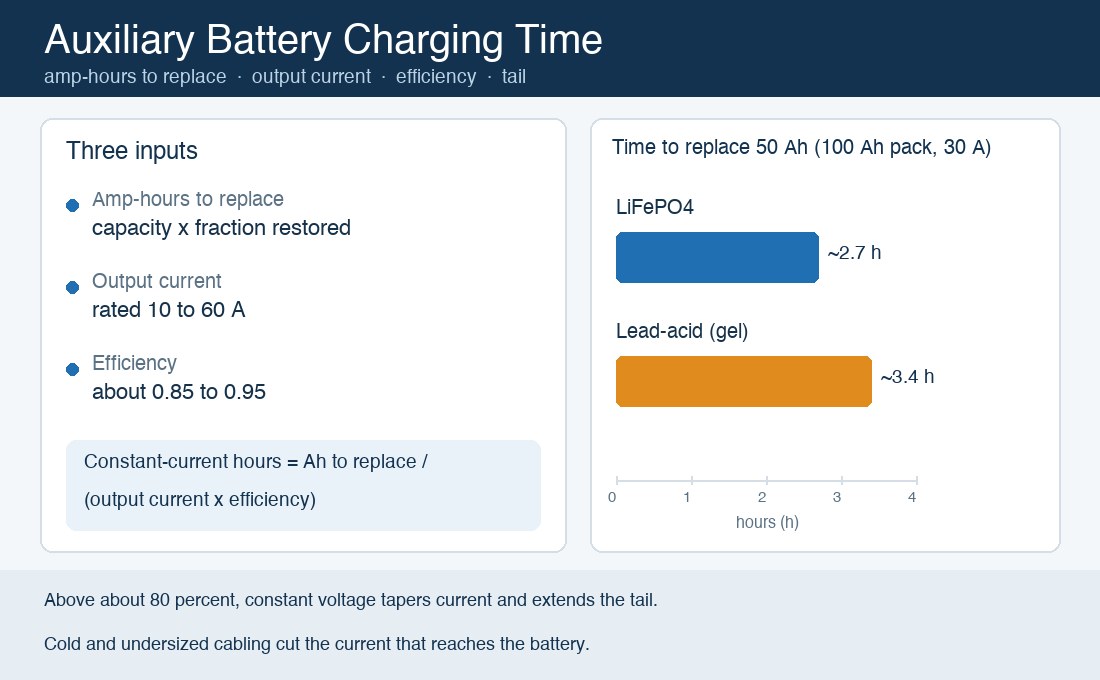 How Long Does a DC-to-DC Charger Take to Charge an Auxiliary
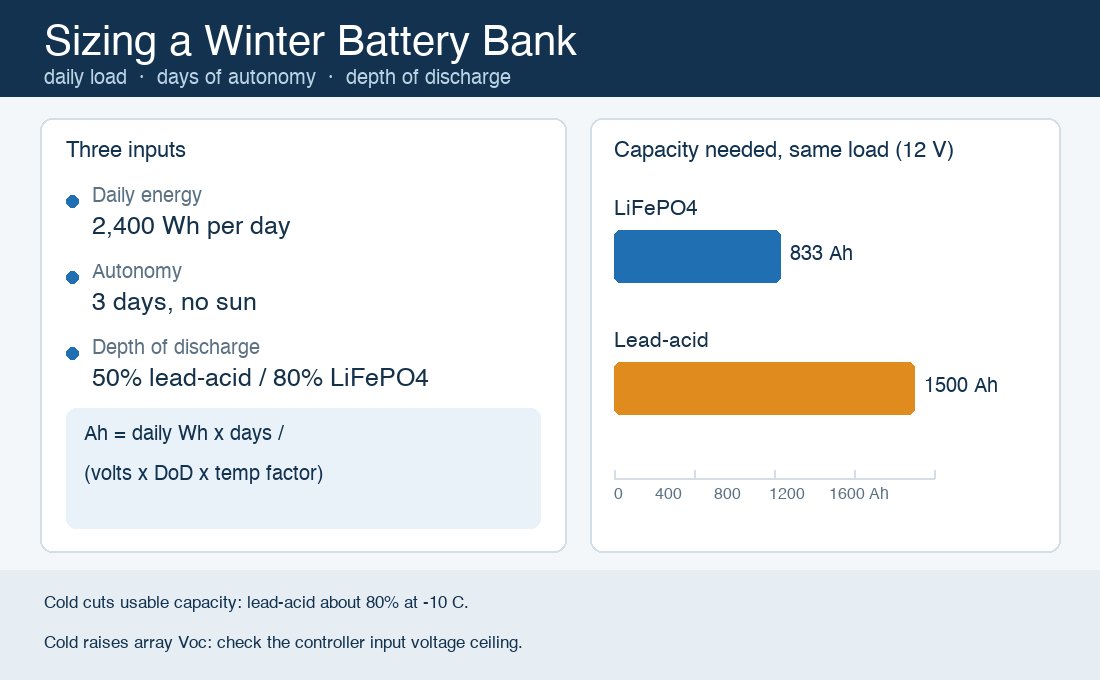 How Do You Size a Winter Battery Bank for an Off-Grid System
Can an Inverter Run a Refrigerator? Starting Power and Runti